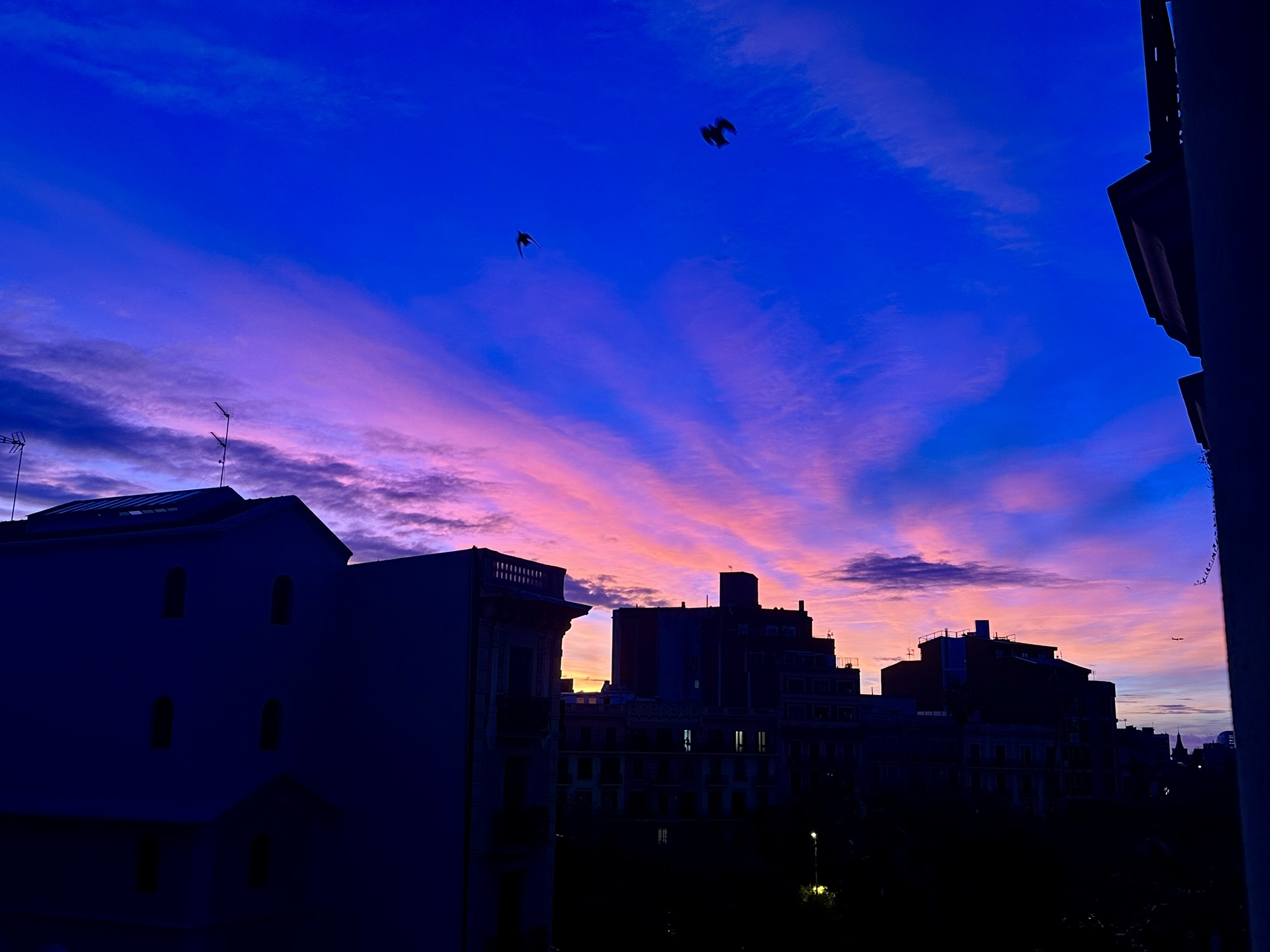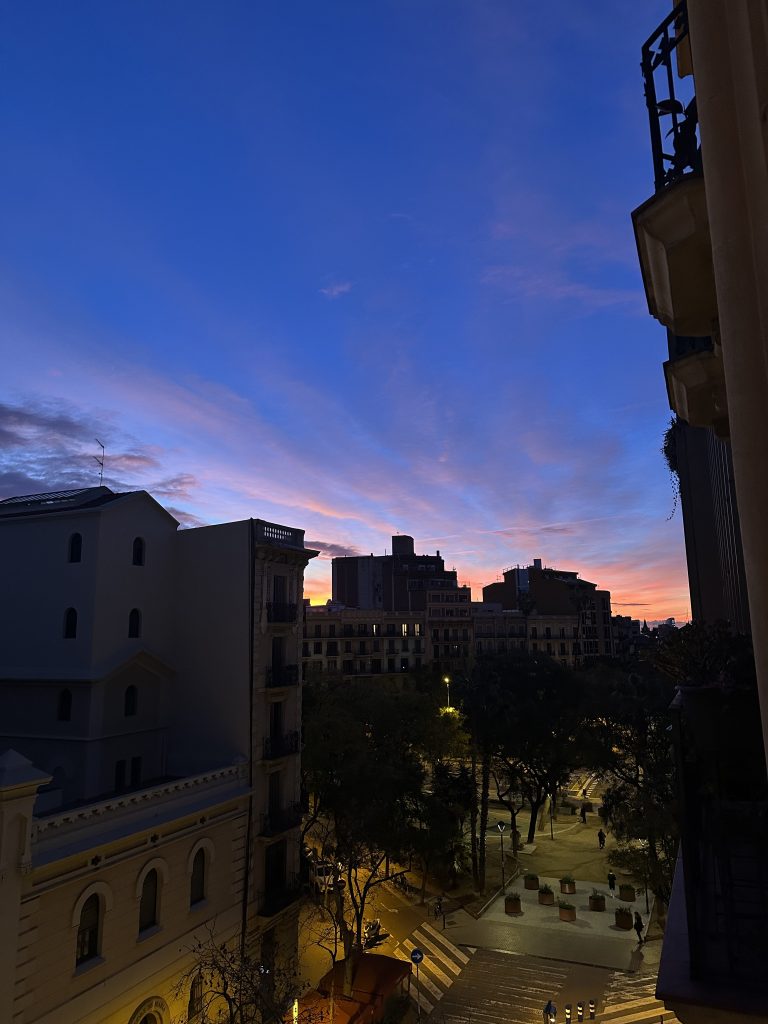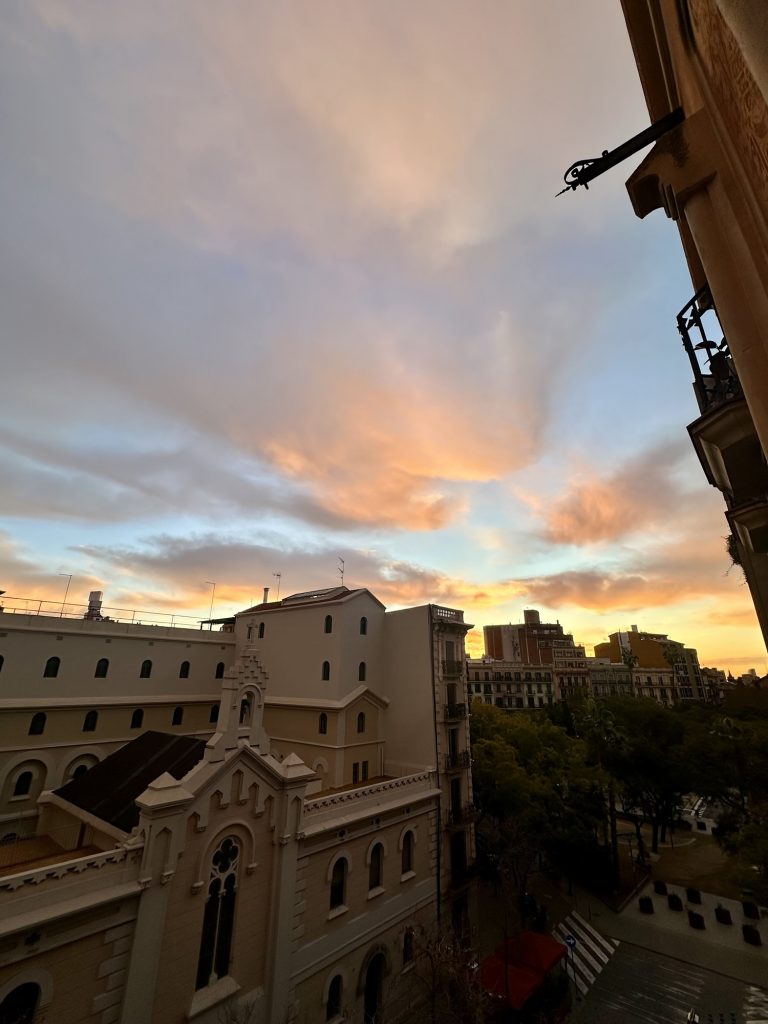
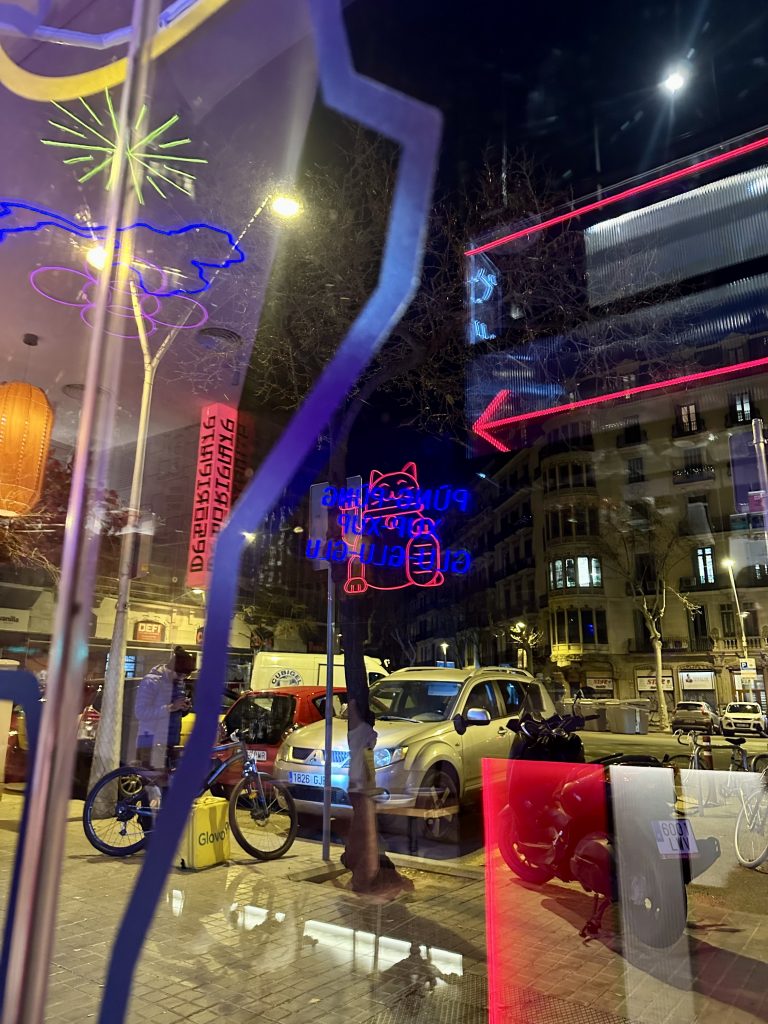
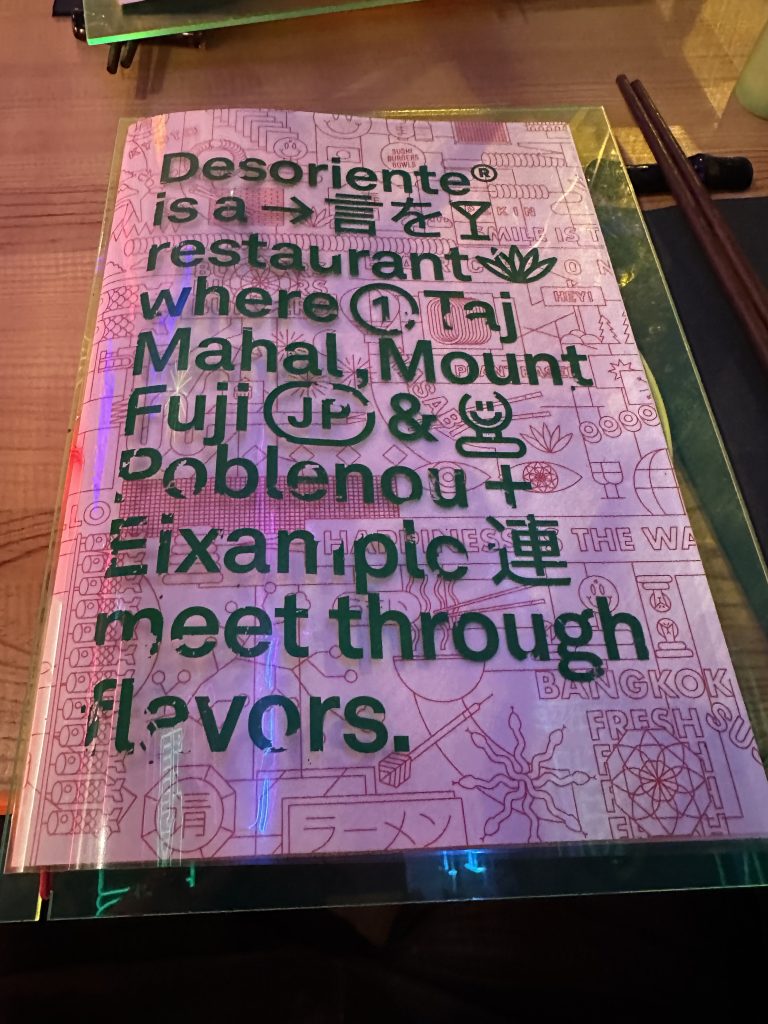
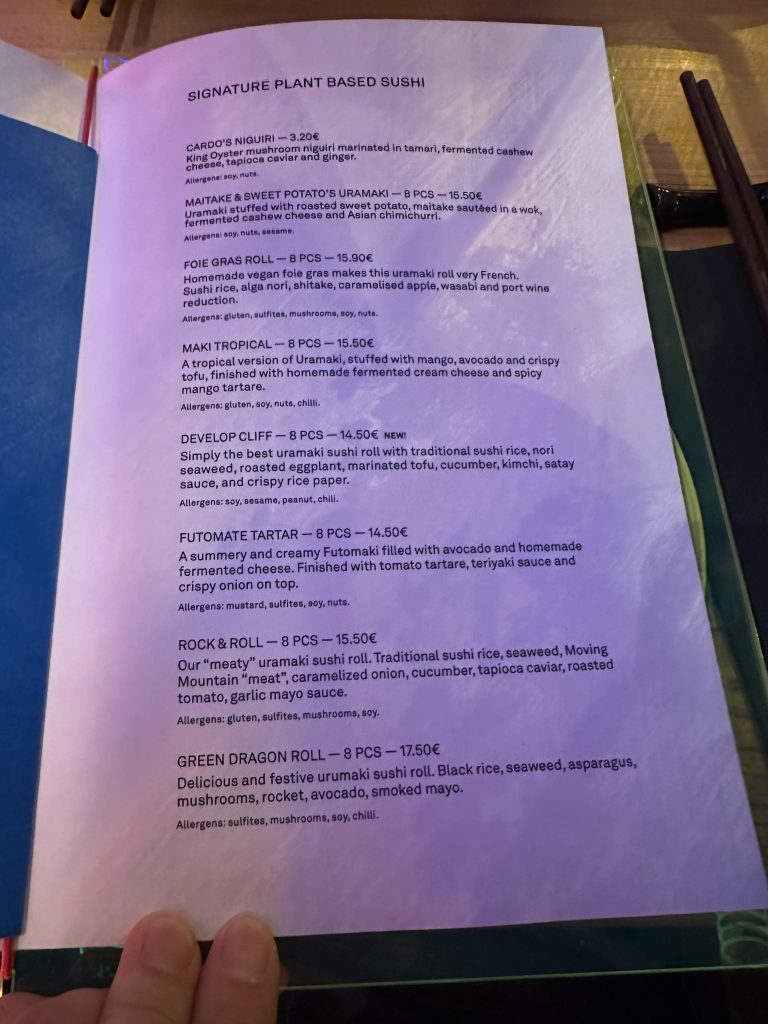
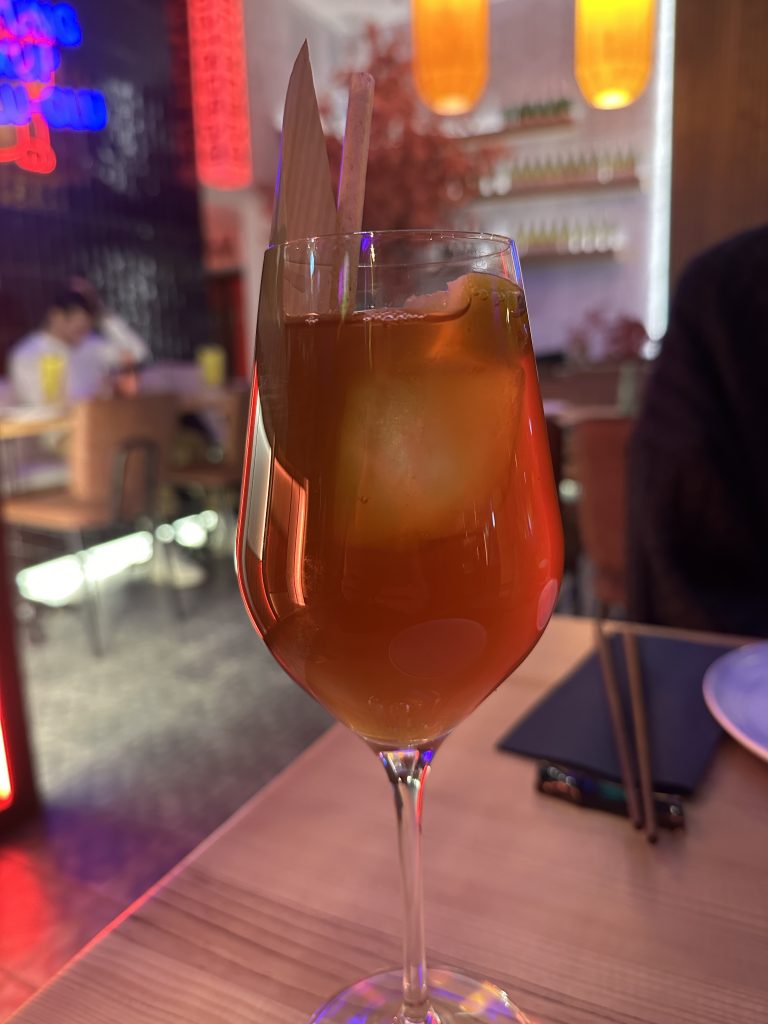
A very tasty vegan sushi joint on Granados that blatantly ripped off our friend’s restaurant Roots & Rolls, but that’s unfortunately no more, so now it feels OK to actually check out Desoriente. 🍱🍣
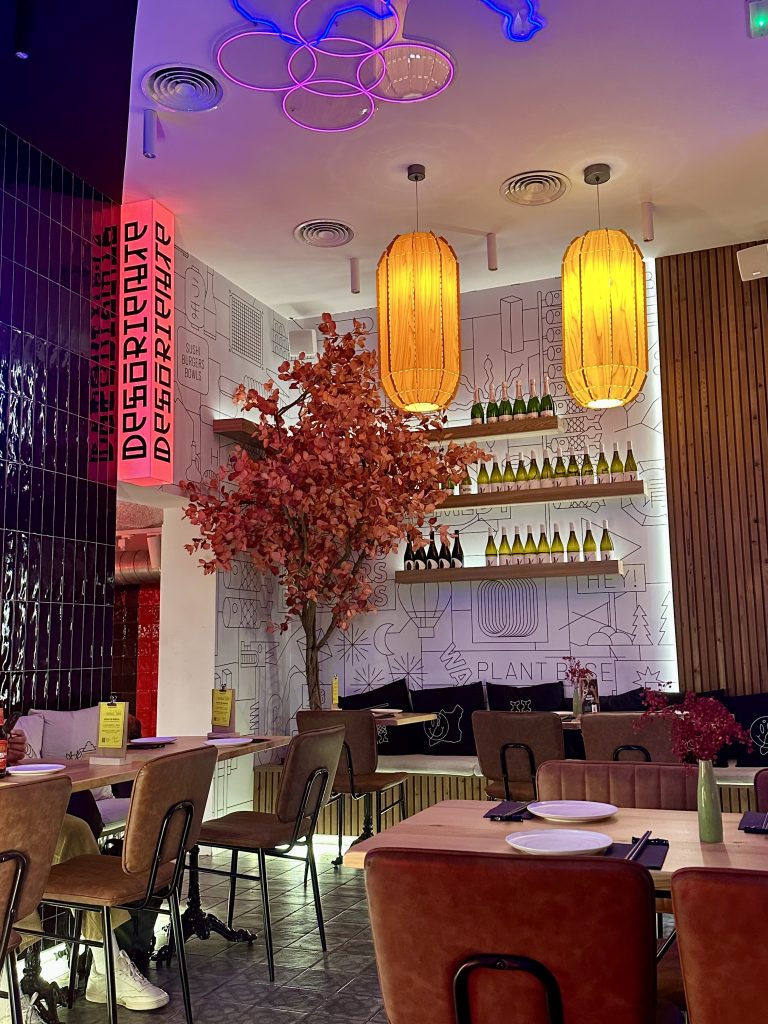

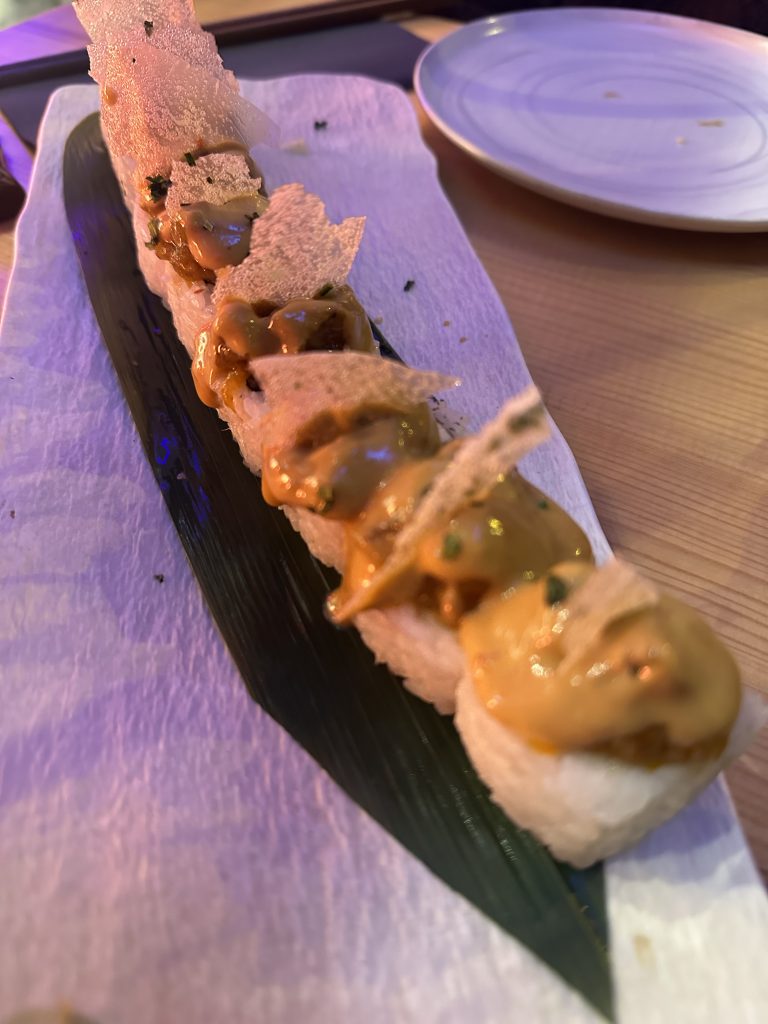
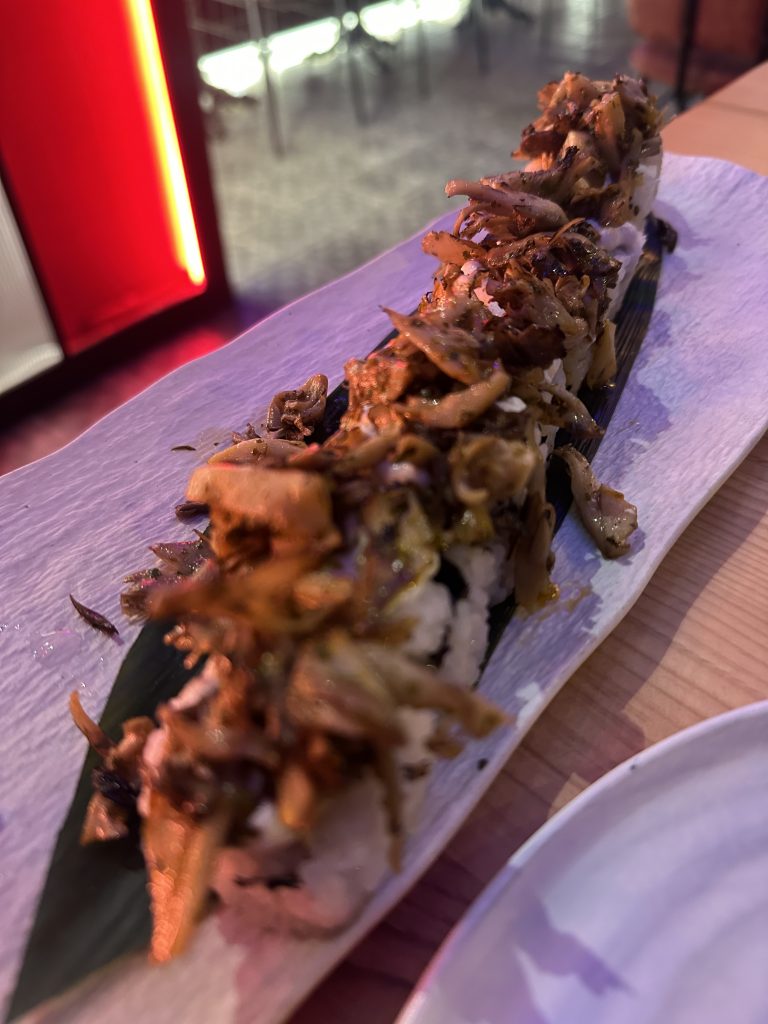
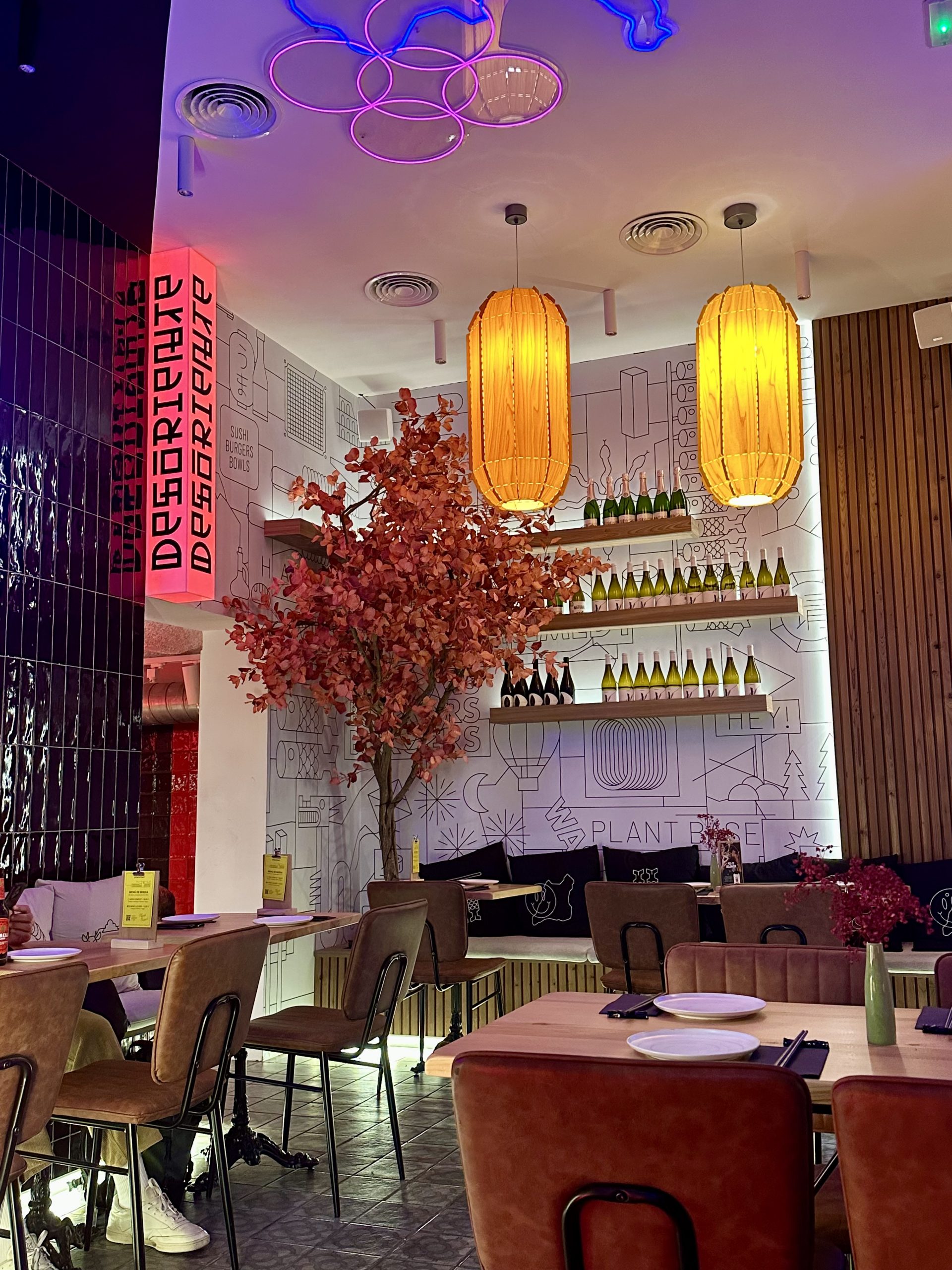
A very tasty vegan sushi joint on Granados that blatantly ripped off our friend’s restaurant Roots & Rolls, but that’s unfortunately no more, so now it feels OK to actually check out Desoriente. 🍱🍣
Yes, it’s the end of an era? The Granados stalwart “Cerveseria DNI” seems to have closed down! #disaster #TheEnd?!
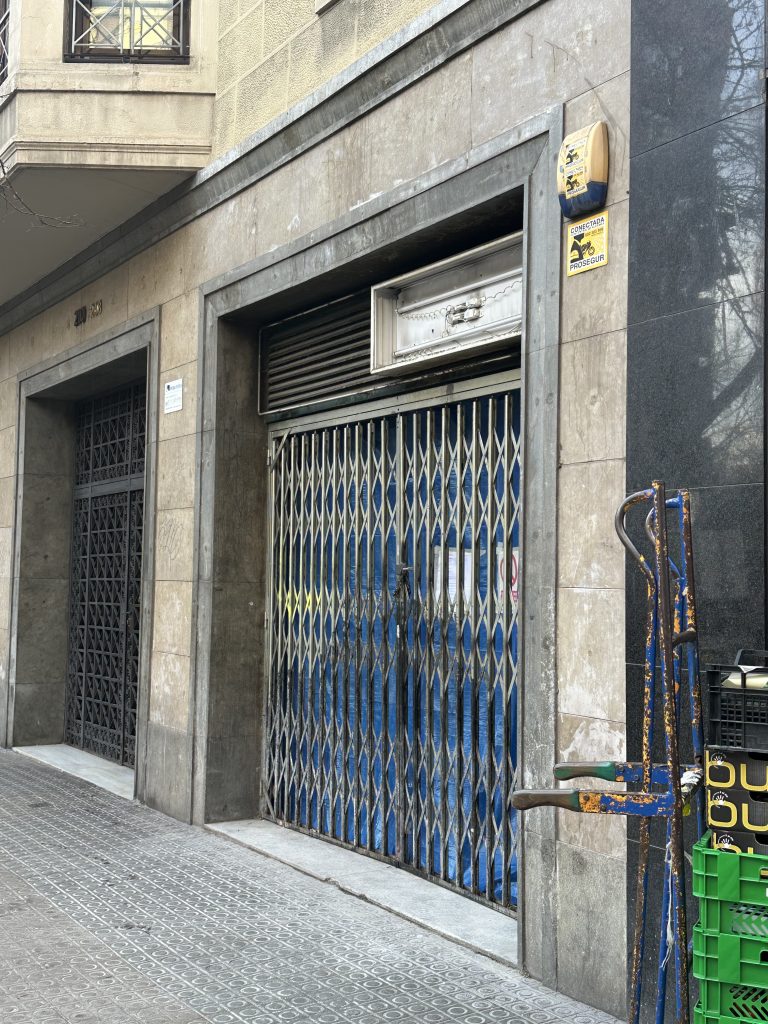
Wonder what’s going to take its place? Probably another hipster sushi bar? Or ice-cream?
What do you think?
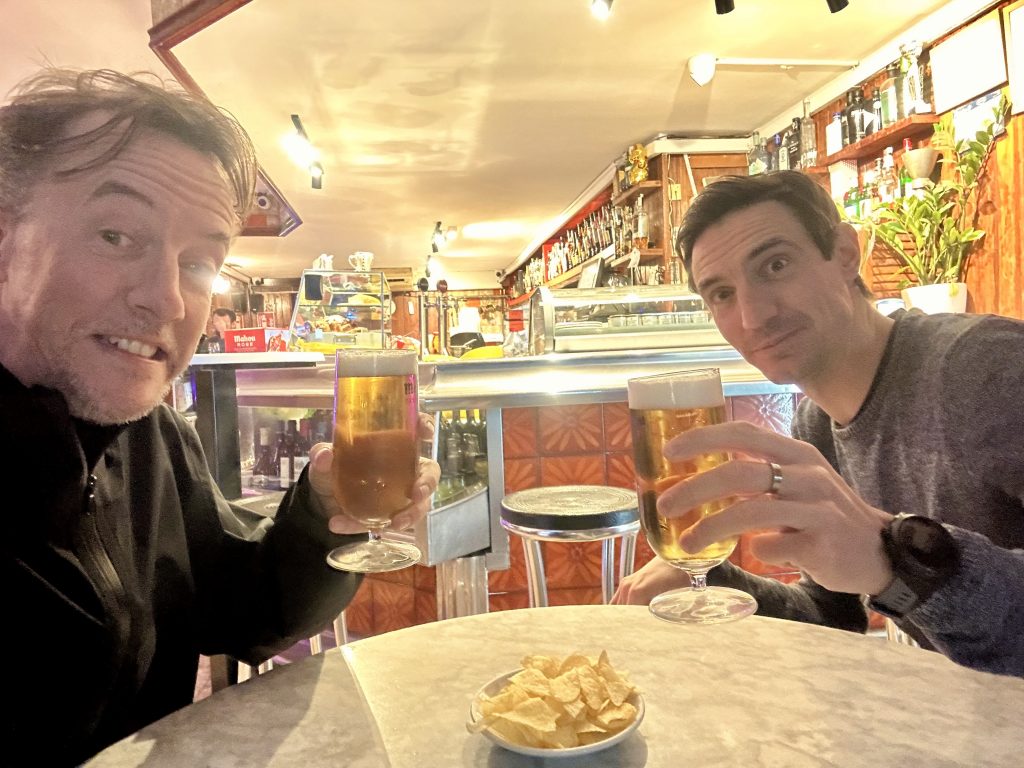
Back in the game with beers and the BEST jamon canarias in Bagoa! 👏
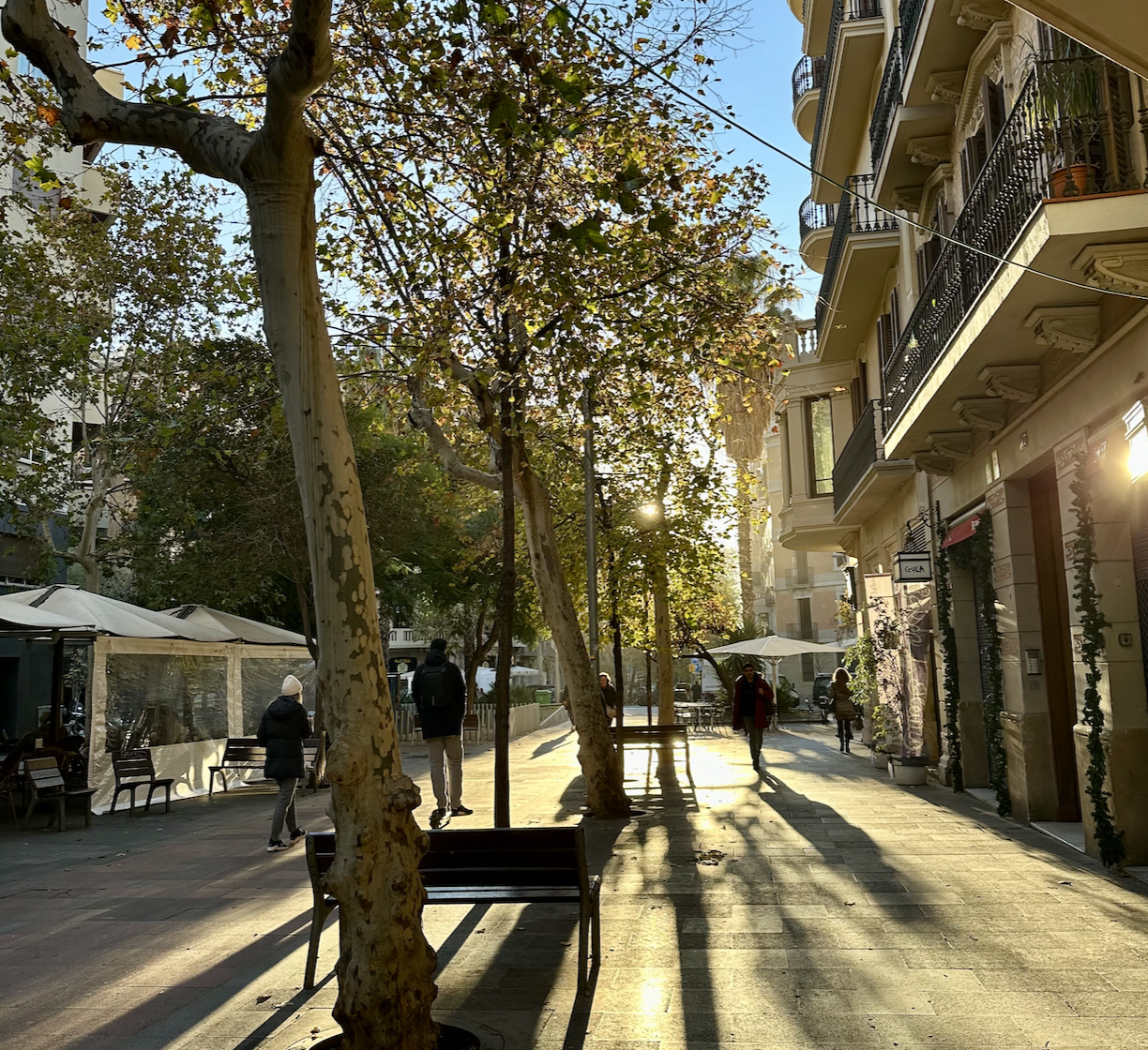
Barcelona’s Eixample district isn’t just a place—it’s a statement in stone, sunlight, and community. Step onto Carrer Enric Granados and you’ll sense the fusion of history, design, and daily life that makes this part of town irresistible.
By the mid-1800s, Barcelona’s bustling life was straining against the medieval walls. Booming industry and modern aspirations demanded room to breathe—and in 1860, the city approved a radical blueprint to transform its future.
Enter Ildefons Cerdà: visionary engineer, urban theorist, and father of the “Plan Cerdà.” Dreaming beyond narrow alleys, he proposed straight, wide boulevards threaded across a grid of octagonal blocks, each with generous corners and green central spaces. His layout aimed not just for orderliness but health and equality, weaving sunlight, air, and neighborhood life into the blueprint of the modern city.
Cerdà’s plan introduced chamfered corners at intersections—simple, ingenious, enhancing visibility and traffic flow. He separated residential and commercial uses, but kept blocks mixed to foster lively, walkable neighborhoods. Parks and trees were part of his original vision, bringing fresh air and relaxation to every corner.
The implementation of Eixample coincided with Barcelona’s modernista (Art Nouveau) golden age. Strolling these avenues, you’ll encounter architectural legends—Gaudí’s Casa Batlló and La Pedrera—as dazzling markers of creativity and the city’s rise as an artistic powerhouse. No two blocks are quite alike, thanks to flourishes of color, wrought-iron balconies, and eccentric facades.
At the heart of this design is Carrer Enric Granados, a street that distills the district’s elegance. Named after the Catalan composer, it pulses with creativity and cosmopolitan energy. Mellow and leafy, it’s lined with ochre-hued modernist storefronts, some dating from the Belle Époque. Boutiques, galleries, and cafés animate the sidewalks, while wrought-iron balconies and leafy trees frame the stroll.
Locals rave about the cool bars, restaurants, artisan flower shops, and cultural spots, making this a street for every taste. Outdoor terraces spill into the semi-pedestrian space, inviting relaxed conversation and people-watching. The proximity to Passeig de Gràcia, Universitat, and Diagonal means the city’s best is just steps away.
Eixample’s legacy is everywhere, from city planning textbooks to postcard views. But to truly understand its impact, walk Carrer Enric Granados. Here, history and invention blend with modern pulse—architecture, culture, and community in daily motion.
So lace up, grab a seat at a sunlit café, and let Enric Granados reveal the best of Barcelona’s living gallery. Explore every corner: each breath, block, and balcony is a piece of Cerdà’s remarkable dream—alive and evolving for all to enjoy.